
Published: August 19, 2026
Executive Overview
In the ongoing global effort to protect and advocate for felines, animal welfare organizations face a complex web of legislative challenges, natural disasters, public misperceptions, and seasonal rescue demands. This comprehensive report explores the latest frontlines in cat welfare as tracked by Alley Cat Allies in August 2026.
From municipal legislative battles in Ripon, California, where proposed feeding bans threaten community cat caregivers with punitive fines, to emergency humanitarian efforts on the ground in San Juan, Puerto Rico, feline advocates are working tirelessly to safeguard vulnerable populations. Additionally, this dispatch highlights ongoing educational initiatives surrounding black cats, specialized medical interventions during the peak of kitten season, and inspiring transformation stories of individual rescues like Woody, who went from a precarious shelter environment to a thriving, permanent home.
Detailed Chronology: Key Developments in Feline Advocacy
1. The Legislative Battlefront: Ripon, California
As of August 2026, animal welfare advocates have raised alarms over a proposed municipal ordinance in Ripon, California. The controversial measure targets community cat caregivers by implementing strict feeding bans.
- The Proposed Penalty: Under the new ordinance, compassionate citizens who provide life-sustaining food to outdoor community cats could face direct punitive measures, including fines of up to $100 per infraction.
- The Advocacy Response: Alley Cat Allies has formally registered its strong opposition to the ordinance. In response to the legislative overreach, the organization has reached out directly to city officials in Ripon, urging them to pivot away from punitive bans and toward proven, humane management solutions.
- The Proposed Alternative: Advocates are championing Trap-Neuter-Return (TNR) as the gold standard for stabilizing outdoor cat populations. By humanely trapping, sterilizing, vaccinating, and returning cats to their outdoor homes, cities can naturally reduce populations without resorting to ineffective criminalization.
2. Disaster Relief Operations in San Juan, Puerto Rico
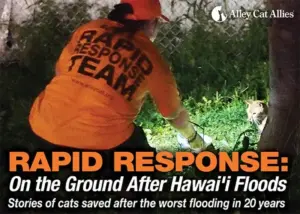
While legislative fights play out on the mainland, emergency response teams remain active in the Caribbean. The Alley Cat Allies San Juan Cat Protection Team continues its sustained disaster relief mission amid an ongoing water and infrastructure crisis.
- Direct Support: Field teams are actively distributing emergency cases of fresh drinking water and high-quality wet food directly to community cat caregivers throughout San Juan.
- Financial Relief: All supplies, logistical coordination, and medical provisions are distributed entirely free of charge to local residents.
- Community Resilience: Field workers report profound encounters with local Puerto Ricans who consistently prioritize the welfare and nutritional needs of neighborhood cats above their own comfort. This deep cultural bond underscores the reality that cats are integral, valued members of the San Juan community.
3. Combating Bias and Celebrating Black Cats
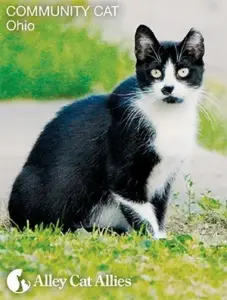
Though formal calendar observances like Black Cat Appreciation Day pass quickly, advocacy organizations emphasize that protecting dark-furred felines is a 365-day commitment.
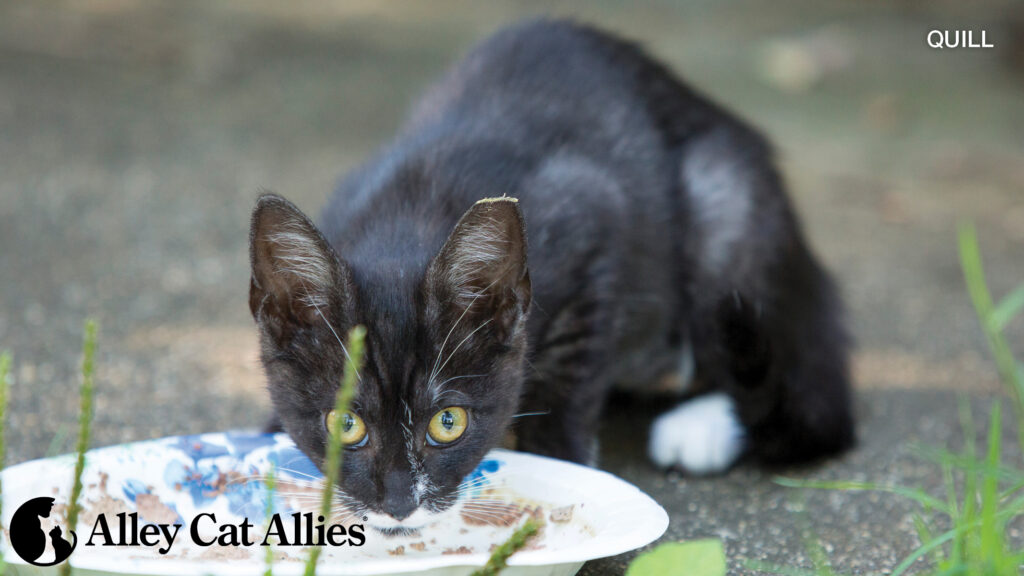
- Educational Outreach: A significant driver of cruelty and abandonment toward black cats stems from historical superstitions, persistent myths, and media mischaracterizations. Outreach campaigns across digital platforms, including TikTok and educational webinars, actively work to debunk these falsehoods.
- Policy Protection: Beyond cultural education, advocates are pushing for legislative frameworks and institutional resources that protect cats of all coat colors from discrimination, shelter bias, and inhumane municipal policies.
4. Direct Rescue Operations: The Feline Family of Five
With the peak of kitten season testing shelter capacities nationwide, direct-care interventions remain a vital lifeline for newborn litters and nursing mothers.
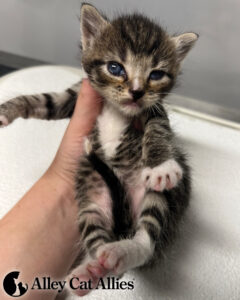
- Intake and Triage: A mother cat and her four all-male kittens recently entered the network of Alley Cat Allies’ veterinary partners after being rescued from a municipal shelter that lacked the specialized resources required for their recovery.
- Medical Treatment: The entire family is currently undergoing intensive treatment for upper respiratory infections (URIs). Specific veterinary focus is also being dedicated to several kittens suffering from severe ocular complications.
- Next Steps: With all medical expenses fully covered by rescue partners, the family is currently recovering in a foster environment where caregivers are finalizing names for the four young brothers.
5. Success Story: Woody’s Journey to Recovery
Individual transformation stories provide a powerful testament to the impact of dedicated rescue work and donor support.
- The Crisis: Earlier in the spring, a young kitten named Woody was separated from his mother and impounded alone in a municipal shelter—a notoriously high-risk situation for immature felines. Woody quickly contracted a severe upper respiratory infection that required immediate, specialized medical intervention.
- The Intervention: Prompted by public support, rescue workers intervened, pulled Woody from the shelter environment, and funded his comprehensive veterinary care.
- The Outcome: Months later, Woody has transitioned into a healthy, energetic young cat. His adoptive parents, Stephanie and Adam, report that he has fully integrated into their household. "He still loves to play all day, especially with his favorite toy, his blue fish! He even loves to carry it around the house and settles down for snuggles at night, too," shared Stephanie and Adam. "We feel so lucky we found him!"
Supporting Context & Metrics: Why Feeding Bans Fail
Municipalities often consider feeding bans under the assumption that removing food sources will cause outdoor cat populations to disperse or die off. However, decades of data compiled by animal behaviorists, veterinarians, and humane organizations demonstrate that such policies are not only cruel, but fundamentally ineffective.
- The Vacuum Effect: Scientific studies show that removing food sources does not eliminate cats from an area. Instead, it triggers the "vacuum effect," where new cats migrate into the territory to exploit remaining, unmanaged resources or shelter spaces.
- Public Health and Nuisance Complications: Starving community cats often become more desperate, leading to increased scavenging in garbage cans, noisier nocturnal behaviors, and heightened visibility as they search for alternative sustenance. Conversely, managed colonies fed at regular times by responsible caretakers remain quieter, healthier, and easier to monitor for TNR programs.
- Legal and Ethical Precedents: Issuing fines to caregivers who practice TNR and provide basic sustenance undermines community policing and alienates the very citizens who volunteer their time and personal finances to manage local animal populations humanely.
Official Statements and Institutional Perspectives
Animal welfare leadership continues to press municipal governments to adopt science-based, humane policies rather than regressive penalties.
"Feeding bans do not work. They inflict needless suffering on vulnerable animals while failing to address the root causes of population growth. Trap-Neuter-Return is the only humane and effective approach to stabilizing community cat populations. That is what Ripon officials, and officials worldwide, need to know."
— Alley Cat Allies Policy Statement
Regarding the humanitarian mission in San Juan, field coordinators emphasize the mutual reliance between human residents and their feline neighbors:
"Along the way, we’re meeting incredible and dedicated Puerto Ricans who in many ways put the well-being of their cats above their own. Cats are truly members of the community in San Juan, and we are honored to support that community when it’s most needed."
Future Outlook and Call to Action
As local and international challenges persist through the second half of 2026, the trajectory of animal advocacy depends heavily on legislative engagement, public education, and sustained financial backing from compassionate donors.
- Municipal Engagement: Advocates in Ripon, California, and surrounding jurisdictions are encouraged to submit written comments, attend city council meetings, and urge elected officials to review the comprehensive letters and guidelines provided at alleycat.org/Letters.
- Expanding Disaster Protocols: The ongoing operations in Puerto Rico highlight the necessity of maintaining robust, well-funded disaster response teams capable of deploying emergency provisions during infrastructure failures.
- Sustaining Rescue Networks: With kitten season placing unprecedented strain on veterinary clinics and foster networks, continued public contributions remain essential for covering emergency medical treatments, surgeries, and specialized neonatal care.
Supporters looking to bolster disaster relief, support ongoing rescue operations like Woody’s and the recent litter of five, or fight harmful municipal policies can contribute directly through alleycat.org/donate.