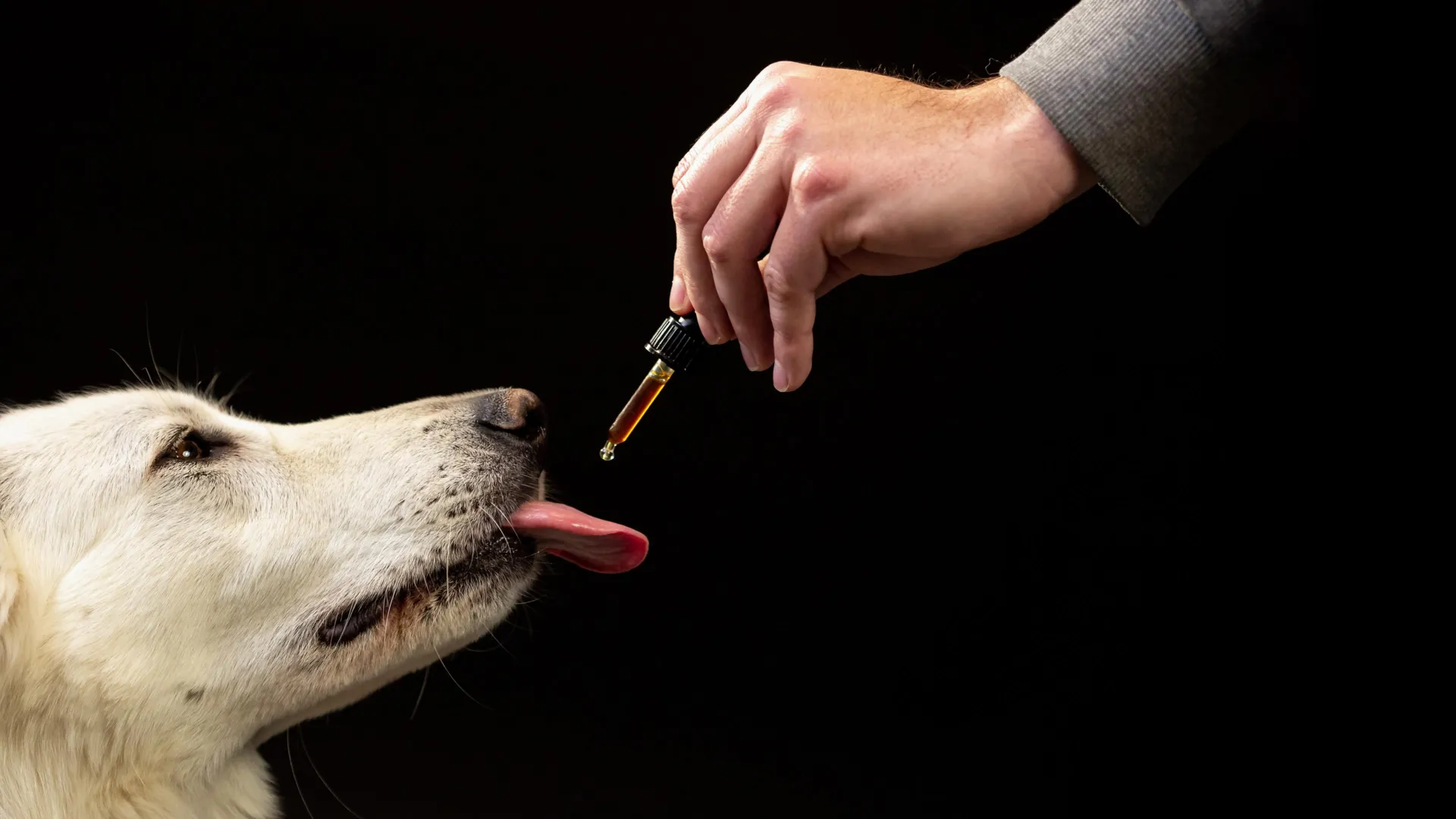

Executive Overview
The landscape of veterinary medicine and pet wellness is undergoing a quiet, yet profound, transformation. For years, cannabidiol (CBD)—a non-psychoactive compound derived from the cannabis plant—has occupied a prominent space in human healthcare, heavily utilized for the management of chronic pain, inflammation, refractory nausea, and generalized anxiety. Increasingly, pet owners have begun extending these therapeutic regimens to their companion animals, operating largely on anecdotal evidence, pet-store recommendations, and extrapolations from human clinical trials.
Now, a comprehensive and unprecedented new analysis has brought empirical light to this burgeoning practice. Published in the peer-reviewed journal Frontiers in Veterinary Science, a landmark study led by researchers in the United States has analyzed an enormous pool of data drawn from the nationwide Dog Aging Project. By evaluating the characteristics, health patterns, and behavioral trajectories of nearly 48,000 dogs, the research team has offered the most extensive scientific evaluation to date regarding how CBD and hemp supplements are being utilized in canine populations.
The findings are both fascinating and nuanced. The study confirms that roughly 7.3% of companion dogs in the United States are given CBD or hemp products, with older, male dogs—particularly those suffering from age-related degenerative conditions such as osteoarthritis, cognitive dysfunction syndrome (dementia), and neoplasia (cancer)—representing the primary demographic of consumers. More intriguingly, the study uncovered a compelling longitudinal behavioral shift: while dogs newly introduced to CBD products occasionally demonstrated heightened baseline aggression compared to non-users, those receiving long-term, multi-year regimens exhibited a measurable and progressive decline in aggressive behaviors.
Despite these promising insights, the study’s authors emphasize that the research also highlights critical knowledge gaps. Questions regarding optimal dosing, product formulations, manufacturing standardization, and precise biological mechanisms remain largely unanswered. As the pet supplement market continues to expand exponentially, this landmark research serves as both a foundational framework for future veterinary pharmacology and a cautionary reminder of the complexities inherent in treating companion animals with unregulated botanical therapies.
Detailed Chronology: Unpacking the Research Process
To fully appreciate the significance of this new study, it is essential to examine the methodological journey and chronological rollout of the research initiative. The investigation did not rely on a small-scale clinical trial conducted in a controlled laboratory setting; rather, it leveraged the immense power of community science through the framework of the Dog Aging Project (DAP).
The Foundation: The Dog Aging Project (2019–2023)
The Dog Aging Project is a long-term, ambitious national initiative designed to understand the biological and environmental factors that maximize health span—the period of life spent free from disease—in companion dogs. By enlisting tens of thousands of pet owners across the United States, the project collects longitudinal data through comprehensive annual surveys. These detailed questionnaires capture exhaustive information regarding each dog’s diet, physical activity, lifestyle, living environment, and medical history.
Between 2019 and 2023, researchers zeroed in on survey responses concerning the administration of CBD and hemp supplements. By filtering and analyzing this massive dataset, the research team successfully aggregated a study population of 47,355 companion dogs. This unprecedented sample size allowed the investigators to move past the limitations of previous small-scale veterinary studies, which typically tracked only dozens or, at most, a few hundred animals over short durations.
Categorizing Consumption and Frequency
Within the survey framework, dog owners were asked to detail the nature of their pets’ supplement consumption. To establish meaningful statistical comparisons, the researchers categorized the respondents into distinct usage tiers:
- Frequent Users: Dogs that received a CBD or hemp supplement on a daily basis.
- Infrequent Users: Dogs that consumed supplements less often than once a day (e.g., weekly, monthly, or strictly as-needed for situational stressors like thunderstorms or veterinary visits).
- Non-Users: Dogs whose owners indicated they had never been administered CBD or hemp-derived products.
By parsing the data across these specific tiers, the research team was able to distinguish between short-term, acute administration and chronic, long-term exposure. This distinction proved critical when analyzing the behavioral outcomes that later emerged in the dataset.
The Analytical Phase and Publication
Once the longitudinal survey data was compiled and cleaned, biostatisticians and veterinary researchers ran complex multivariable models to control for confounding variables such as breed size, age, underlying health status, and geographic location. The resulting analysis mapped the demographic profile of the typical canine CBD consumer, identified strong correlations between specific chronic diseases and supplement use, and isolated the unexpected long-term behavioral trends. The culmination of this multi-year analytical effort was the formal peer-reviewed publication in Frontiers in Veterinary Science, establishing an authoritative benchmark for future investigations into veterinary cannabinoid therapy.
Supporting Context & Metrics: Demographics, Health Patterns, and Usage Trends
The empirical data extracted from the nearly 48,000 dogs in the study paints a vivid picture of who is using CBD, why they are using it, and what external factors influence these purchasing and administration decisions.
Prevalence and Demographic Signatures
According to the findings, 7.3% of all companion dogs in the surveyed U.S. population have been given CBD or hemp products at some point in their lives. Among this group, 2,759 dogs—representing 5.8% of the total cohort—were classified as frequent, daily users.
When researchers examined the demographic profile of these canine consumers, clear patterns emerged:
- Age Disparity: Dogs receiving CBD supplements tended to be significantly older than their non-using counterparts. On average, CBD-treated dogs were three years older than dogs that never received the supplements. This skew toward geriatrics aligns logically with the onset of age-related degenerative ailments.
- Gender Bias: Male dogs were administered CBD approximately 9% more frequently than female dogs. The researchers note that while this statistical variance is notable, further research is required to determine whether it stems from owner preference or underlying physiological differences in stress responses between sexes.
- Activity Levels: Intriguingly, overall physical activity levels did not differ significantly between dogs that used CBD and those that did not, suggesting that owners were not primarily administering the products to manage hyperactive tendencies or working-dog performance issues.
The Health Landscape: Dementia, Joint Pain, and Cancer
The study revealed strong statistical associations between specific chronic veterinary diagnoses and the likelihood of receiving CBD supplements. The data underscores that pet owners frequently turn to cannabis derivatives as a complementary or alternative therapy when conventional veterinary interventions fall short or produce prohibitive side effects.
- Canine Cognitive Dysfunction (Dementia): The strongest association with CBD use was found in dogs diagnosed with dementia, with 18.2% of these cognitively impaired animals receiving the supplements. As dogs age, they frequently develop a syndrome akin to human Alzheimer’s disease, characterized by disorientation, altered sleep-wake cycles, and anxiety. Owners appear to be utilizing CBD in an attempt to manage these neurological symptoms.
- Osteoarthritis and Joint Degeneration: Representing the second-highest correlation, 12.5% of dogs suffering from osteoarthritis joint problems were administered CBD or hemp products. Chronic joint pain and mobility loss are among the most common reasons owners seek palliative care for aging pets, making anti-inflammatory cannabinoids an attractive option.
- Neoplasia (Cancer): Dogs diagnosed with cancer accounted for 10% of CBD recipients. Palliative oncology care in veterinary medicine frequently incorporates agents aimed at improving appetite, reducing nausea, and mitigating pain, mirroring human palliative protocols.
The Geographic and Cultural Landscape of Pet Cannabis
Beyond physiological and chronological metrics, the study uncovered a fascinating socioeconomic trend: dogs living in U.S. states where human medical cannabis is legal were statistically more likely to receive CBD products than dogs living in prohibition states.
This geographic correlation highlights the profound influence of human attitudes, cultural normalization, and product accessibility on veterinary care. In states with established medical or recreational cannabis markets, pet owners are likely more familiar with cannabinoids, harbor fewer social stigmas regarding the cannabis plant, and enjoy easier access to high-quality hemp and CBD formulations at local retailers and dispensaries.
Official Statements: Insights from the Research Team
To understand the deeper clinical implications of the study, it is vital to examine the direct insights provided by the lead investigators and academic authorities spearheading the research.
Dr. Maxwell Leung, an assistant professor and the director of the Cannabis Analytics, Safety and Health Initiative at Arizona State University, served as the senior author of the study. He highlighted the dual nature of the behavioral findings, noting both the initial hurdles and the long-term rewards of consistent administration.
"Behaviorally, dogs given CBD products for multiple years are initially more aggressive compared to dogs not receiving those products, but their aggression becomes less intense over time," Dr. Leung explained.
This observation suggests that introducing a new supplement—or managing the underlying conditions that prompted the owner to seek out CBD in the first place—can sometimes coincide with acute stress or behavioral turbulence. However, the trajectory shifts dramatically over an extended timeframe, pointing toward a cumulative pharmacological or neurochemical adaptation.
Dr. Julia Albright, an associate professor at the College of Veterinary Medicine at the University of Tennessee and co-author of the study, expanded upon the therapeutic potential of these findings for veterinary behavioral medicine:
"This long-term behavioral change highlights the potential of CBD as a therapy for canine behavioral issues," Dr. Albright stated.
However, Dr. Albright also pointed out a fascinating clinical nuance regarding the specificity of the behavioral changes observed in the dataset. While long-term CBD use was strongly correlated with a reduction in aggression, other common canine behavioral abnormalities, such as generalized anxiety, separation distress, or situational agitation, did not show the same uniform association.
"Most canine aggression is related to underlying stress or anxiety—a fight or flight response that kicks in," Dr. Albright noted. "It is unclear why only aggression but not other types of anxious or agitated behaviors seemed to be improved with CBD treatment."
Furthermore, the research team was careful to temper their findings with a frank acknowledgment of current data limitations. Because the study relied on retrospective owner surveys compiled through the Dog Aging Project, the researchers did not have access to standardized clinical data regarding exact dosing regimens, chemical concentrations, extraction methods (e.g., full-spectrum versus isolate), or the specific administration routes used by pet owners.
"At this point, we do not have a complete picture about the behavioral treatment plan," Dr. Albright cautioned.
Dr. Leung concluded by emphasizing the broader translational value of the research, pointing out that canine studies may ultimately serve as a valuable bridge to understanding cannabinoid efficacy in human medicine:
"There are many similarities in how CBD can benefit dogs and humans medically."
Future Outlook: Safety, Research Gaps, and the Road Ahead
As the pet wellness industry continues to experience explosive economic growth, the integration of cannabinoid therapies into mainstream veterinary medicine is no longer a fringe concept. However, the transition from anecdotal pet-owner experimentation to evidence-based veterinary prescription requires rigorous scientific diligence.
The Necessity of Controlled Clinical Trials
The current study from Arizona State University and the University of Tennessee represents a monumental first step, providing a broad epidemiological framework and highlighting critical statistical correlations. Yet, observational community science has inherent limitations, most notably the risk of owner bias and the absence of controlled biological metrics.
To bridge these gaps, future research must transition from retrospective surveys to prospective, randomized, double-blind, placebo-controlled clinical trials. These gold-standard studies will be necessary to isolate the exact biological mechanisms behind CBD’s calming properties, determine optimal pharmacokinetic profiles across different canine breeds, and establish standardized dosing guidelines for specific conditions such as osteoarthritis, canine cognitive dysfunction, and stress-induced aggression.
Safety Considerations and Veterinary Guidance
Until comprehensive, standardized clinical guidelines are firmly established, veterinary professionals urge pet owners to exercise extreme caution when selecting and administering CBD products to companion animals.
Unlike pharmaceutical drugs, the over-the-counter pet supplement market remains unevenly regulated in many jurisdictions. Product quality can vary wildly between manufacturers, with independent testing frequently revealing discrepancies between labeled cannabinoid concentrations and actual bottle contents, as well as occasional contamination with heavy metals, pesticides, or unauthorized levels of psychoactive delta-9-tetrahydrocannabinol (THC).
Moreover, CBD is not without physiological side effects. As the research team noted, improper dosing or biological sensitivity can lead to adverse gastrointestinal reactions in dogs, including:
- Mild to moderate lethargy or sedation
- Gastrointestinal upset
- Diarrhea or loose stool
- Elevations in liver serum enzymes (noted in high-dose safety trials, emphasizing the need for regular veterinary bloodwork monitoring)
Pet owners considering CBD therapy for an aging, anxious, or chronically ill dog should always consult with a licensed veterinarian before initiating a supplement regimen. Open communication ensures that cannabinoid use does not interfere with existing prescription medications, allows for professional guidance regarding reliable product sourcing, and establishes a safe baseline for monitoring the animal’s long-term health and behavioral response.
Conclusion
The new analysis of the Dog Aging Project published in Frontiers in Veterinary Science marks a watershed moment for canine cannabinoid research. By analyzing tens of thousands of companion dogs, researchers have shifted the conversation surrounding pet CBD from the realm of anecdotal folklore into the domain of empirical science. While significant questions remain regarding dosage, formulation, and biological pathways, the evidence of long-term behavioral calming and palliative relief for aging dogs offers immense hope. As scientific rigor catches up with consumer demand, the future of veterinary medicine may well see CBD integrated safely and effectively into the standard of care for our most loyal animal companions.