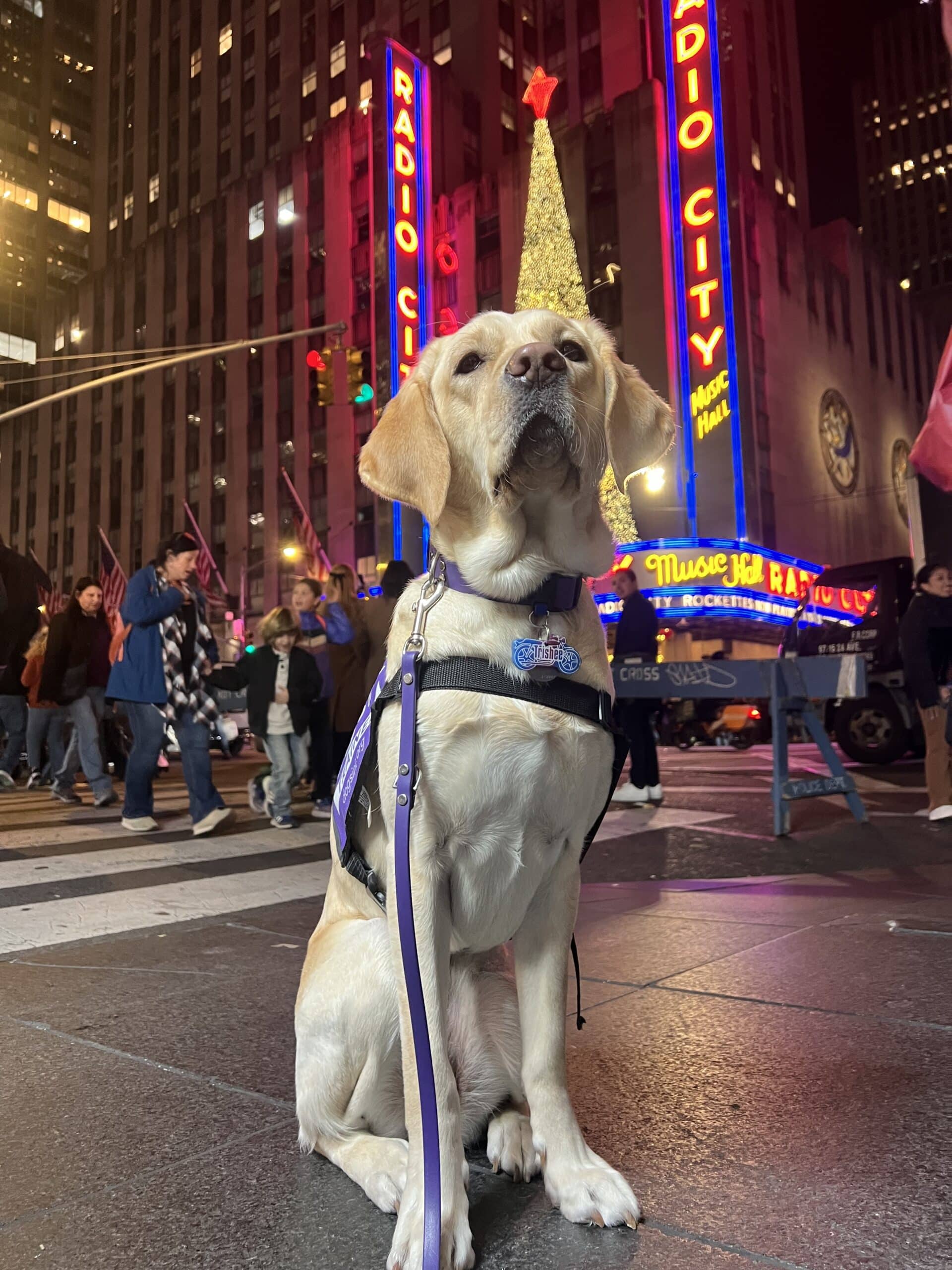
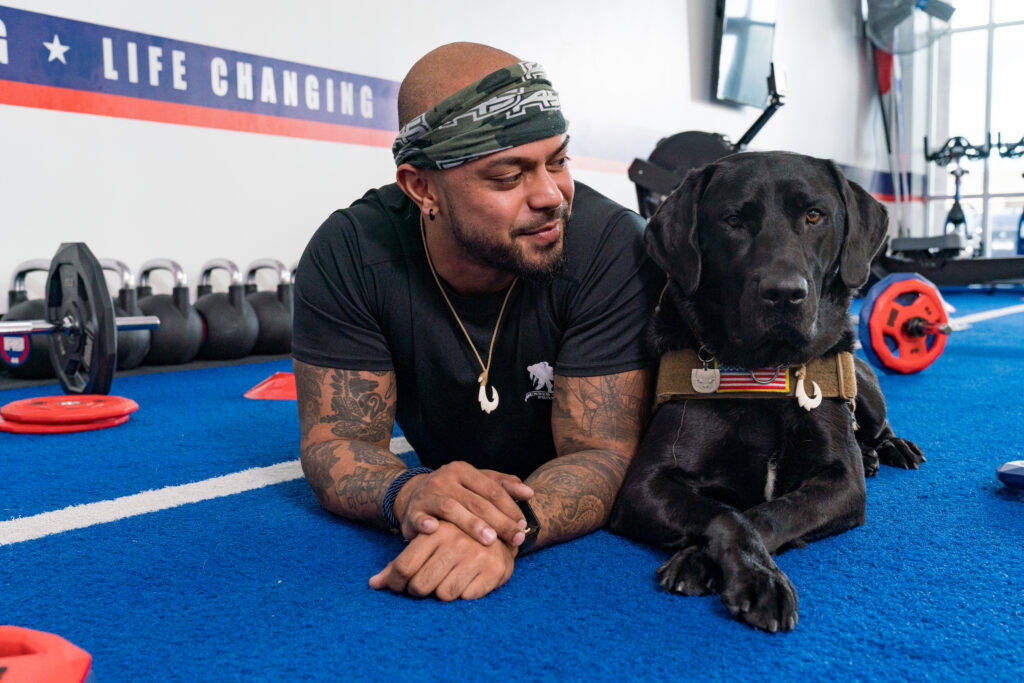
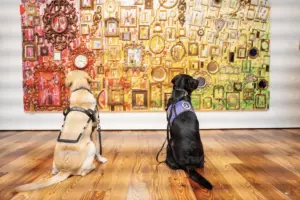
When a visually impaired traveler navigates a chaotic international airport, or a veteran experiencing severe post-traumatic stress finds grounding during an unexpected panic attack, the public witnesses the polished culmination of years of professional canine development. Yet, this visible harmony represents only the final chapter of a complex, highly selective operational pipeline. The journey from an unpredictable, energetic puppy to a steady, life-changing service animal is governed by strict behavioral criteria, standardized scientific evaluations, and exhaustive longitudinal observation.
Organizations such as Dogs Inc operate under the premise that not every dog is biologically or temperamentally wired for the grueling demands of public access work. While affection and intelligence are widespread canine traits, successful service work demands a rare equilibrium of emotional regulation, cognitive resilience, and environmental adaptability. This comprehensive investigation explores the anatomy of service dog selection—dissecting why temperament supersedes raw obedience, how standardized testing identifies future excellence, the irreplaceable role of volunteer puppy raisers, and why a "career change" out of the program represents a triumph of animal welfare rather than a failure of training.
I. Detailed Chronology: The Lifecycle of a Service Dog Candidate
The development of a service animal follows a meticulously mapped chronological arc, stretching from genetic pairing and early puppyhood to the critical benchmarks of young adulthood and final placement.
Phase 1: Neonatal and Early Development (Weeks 0 to 8)
Long before formal obedience enters the picture, neurological development is underway. Professional breeding and selection programs prioritize lines known for emotional stability, low reactivity, and cooperative intelligence. During the first two months of life, puppies are introduced to controlled sensory stimulation designed to build neural resilience. Breeders and early evaluators monitor how littermates interact, how they recover from minor startle reflexes, and how quickly they seek human contact.
Phase 2: The Puppy Raising Epoch (Months 2 to 14)
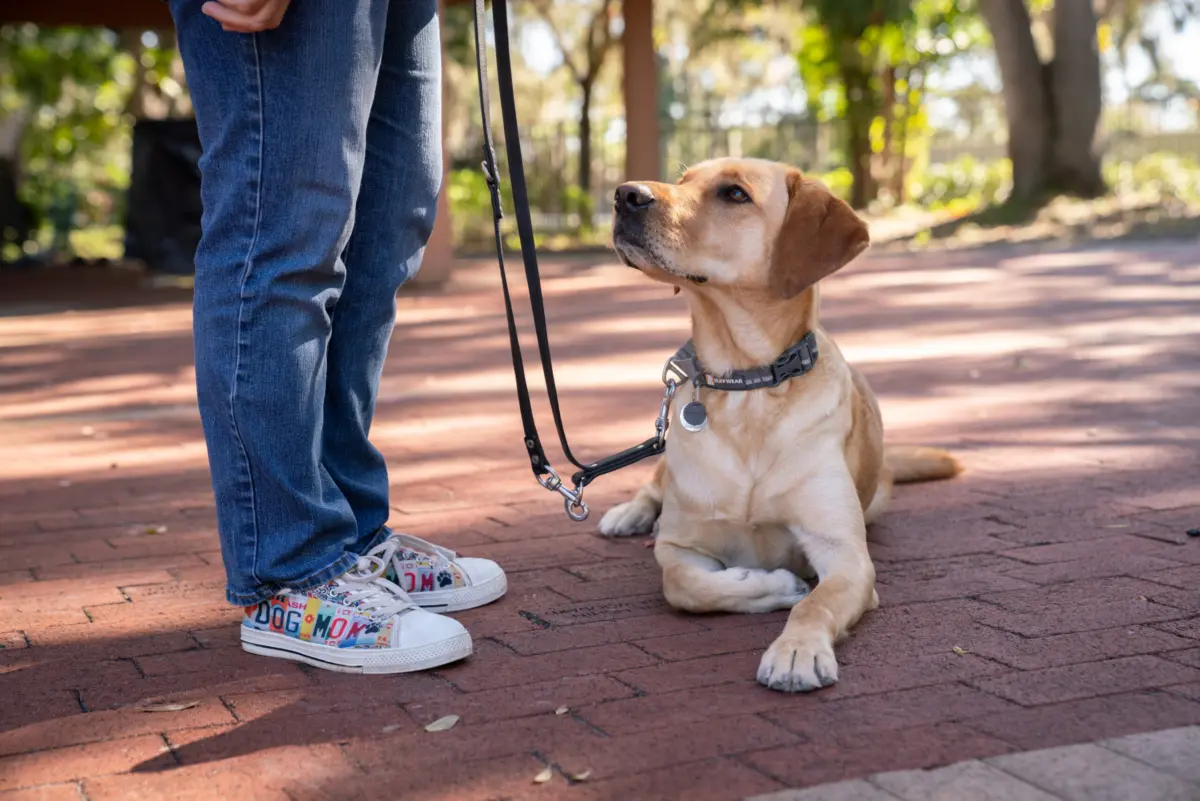
At approximately eight weeks of age, selected puppies are placed with dedicated volunteer puppy raisers. This period represents the foundation of the dog’s socialization portfolio. Raisers integrate the young dogs into everyday human society—navigating grocery store aisles, riding public transportation, encountering bustling crowds, and experiencing diverse acoustic environments.
Rather than focusing purely on advanced tasks, this phase centers on baseline adaptability. Instructors and raisers look for how a dog processes novelty. Does a dropped shopping cart cause a permanent shutdown, or does the puppy acknowledge the sound, recover within seconds, and resume a forward focus? Continuous behavioral logging during this phase allows training directors to track developmental curves and spot emerging inconsistencies.
Phase 3: Formal Evaluation and Milestone Testing (Months 12 to 18)
As puppies transition into adolescence, their internal chemistry shifts. This is when latent behavioral traits—such as resource guarding, heightened territoriality, or noise sensitivities—often surface. Organizations implement formal evaluations during this window. Standardized frameworks, including the Clothier Animal Response Assessment Tool (CARAT), are frequently deployed to categorize behavioral traits objectively and rule out unsuitable prospects.
By the 18-month mark, a dog’s temperament solidifies significantly. Testing protocols become sharply predictive, helping program directors determine whether a candidate possesses the emotional bandwidth for high-stress environments.
Phase 4: Advanced Training and Task Specialization (Months 18 to 24+)
Once a candidate passes its behavioral gatekeeping checkpoints, specialized training begins. Depending on the targeted career path—whether as a guide dog, hearing dog, mobility assistance dog, psychiatric service dog, autism service dog, diabetic alert dog, or allergy detection dog—the curriculum diverges.
Canines master intricate physical tasks, such as retrieving dropped items, providing stable balance support, opening doors, or executing specialized medical alerts. Crucially, they also learn "intelligent disobedience": the vital capacity to refuse a handler’s command if obeying it would place them both in immediate physical danger, such as stepping into moving traffic.
Phase 5: Team Matching and Public Certification
The final chronological phase involves pairing the fully trained service dog with a human handler. This matching process considers the handler’s lifestyle, walking pace, living environment, and psychological or physical needs. Following a rigorous on-site transition training program, the newly minted team undergoes final public access certifications, cementing a partnership built on mutual trust and operational reliability.
II. Supporting Context & Metrics: The Science of Temperament and Trait Analysis
The public often measures a service dog’s aptitude by flashy physical feats or rapid obedience demonstrations. However, behavioral scientists emphasize that the most telling indicators of success reside in quiet, micro-behavioral moments.
Emotional Regulation and the Biology of Stress
Service dogs operate in environments that can overwhelm even neurotypical humans. Elevators, sirens, dropped dishware, and dense crowds bombard the canine nervous system with sensory stimuli.
According to program directors, emotional stability is defined not by a complete lack of fear, but by the speed and quality of recovery. A dog that freezes, panics, or displays redirected aggression following an unexpected startle is fundamentally disqualified from public access work. Conversely, a candidate that startles, assesses the threat, shakes it off, and instantly locks back onto its handler demonstrates optimal emotional regulation.
Breed Selection: Why Retrievers Dominate the Field
While individual temperament is paramount, centuries of selective breeding have positioned certain breeds as premier candidates. Labrador Retrievers and Golden Retrievers are frequently favored due to their innate cooperative nature, low prey drive, and high tolerance for ambient physical discomfort or unpleasant weather conditions.
In contrast, high-drive herding breeds—such as Border Collies or Australian Shepherds—often present challenges in service work. While exceptionally intelligent and trainable, their intense predatory motor patterns and high baseline energy can make it difficult for them to settle quietly under a table or desk for extended, immobile hours in a busy office or aircraft cabin.
The Mathematics of Program Efficiency
Rigorous selection and testing are not merely academic exercises; they are vital economic and operational strategies. Training a fully certified service dog requires thousands of hours of professional labor, specialized veterinary care, and administrative oversight, representing a substantial financial investment.
By utilizing structured evaluation tools like the CARAT system and eliminating unsuitable candidates early in the developmental pipeline, organizations protect both their financial resources and the well-being of the dogs. Placing an emotionally fragile dog into a high-pressure environment risks psychological trauma for the animal and catastrophic failure for a handler who relies on them for daily independence.
III. Official Perspectives: Insights from Program Directors and Instructors
Evaluating service dog potential requires deep expertise, patience, and an unflinching commitment to animal welfare. Leading professionals in the field emphasize that the evaluation process is fundamentally protective.
"The service dog selection process isn’t about finding the ‘best’ dog in an abstract sense," explains a senior canine instructor at a nationally recognized training facility. "It is entirely about alignment. We are looking to match a specific dog’s hardwired temperament with the relentless, unpredictable demands of public access work. If a dog’s natural personality leans toward high stress or environmental hyper-vigilance, forcing them into this role is a disservice to the animal."
Instructors also stress that evaluations must never rely on isolated incidents.
"Dogs have good days and bad days, just like humans," notes an institutional behavioral evaluator. "Our methodology relies on longitudinal observation. We track patterns across months—how a dog handles a slippery floor today compared to three weeks ago, how they react to unfamiliar children, how they transition from high-arousal play to immediate calm. The cumulative data tells the true story."
Furthermore, professionals underscore the ethical necessity of the "career change" option. When a dog is identified as unsuited for service work—whether due to high distraction rates, a preference for a more active outdoor lifestyle, or mild noise phobias—the transition is framed positively.
"A dog that washes out of a service program is not a failure," program administrators consistently affirm. "They are simply finding their true calling elsewhere. Many go on to excel as beloved family pets, therapy dogs, or detection canines in alternative fields. Honoring the dog’s personal comfort and happiness is our ultimate ethical mandate."
IV. Future Outlook: The Evolution of Service Dog Selection and Training
As society becomes increasingly aware of the invisible disabilities that service dogs mitigate—ranging from psychiatric conditions to severe medical alerts—the demand for highly competent working canines continues to surge. Looking toward the future, the science of service dog development is poised for significant innovation.
Integrating Predictive Data Analytics
Leading training organizations are beginning to explore data-driven approaches to puppy selection. By leveraging standardized behavioral tracking software, video analysis of early play sessions, and physiological markers of stress (such as heart-rate variability during novel stimuli tests), researchers aim to build predictive models that can identify future service dog prospects with even greater accuracy at an earlier age.
Expanding Access Through Public Education
Another critical frontier involves educating the public and aspiring handlers about the profound differences between legitimate service dogs, emotional support animals (ESAs), and therapy dogs. Misconceptions surrounding public access rights and training standards often place undue stress on working teams. Future outreach efforts will focus on clarifying these distinctions, ensuring that public spaces remain safe and accessible for fully trained service animals while reducing the interference caused by untrained pets masquerading as working dogs.
Elevating Canine Welfare Standards
Ultimately, the future of service dog development remains anchored in an unwavering commitment to animal welfare. As training methodologies increasingly reject outdated, coercive tactics in favor of positive reinforcement, relationship-based learning, and low-stress handling, the bond between handler and dog grows stronger.
By respecting the individual psychology of every animal, organizations ensure that the service dogs of tomorrow enter their working partnerships not out of fear or compulsion, but through a genuine, joyful willingness to partner with humanity in navigating an uncertain world.