
Executive Overview
Canine osteoarthritis (OA) remains one of the most pervasive, debilitating, and under-diagnosed chronic conditions affecting domestic dogs today. Far from being a mere consequence of normal aging, canine OA is a progressive, inflammatory joint disease characterized by the gradual deterioration of articular cartilage, periarticular bone remodeling, and chronic synovial inflammation. Epidemiological data suggest that upwards of 20% to 25% of the canine population suffers from clinical osteoarthritis, with prevalence figures soaring significantly higher when subclinical and early-stage radiographic changes are factored into diagnostic evaluations.
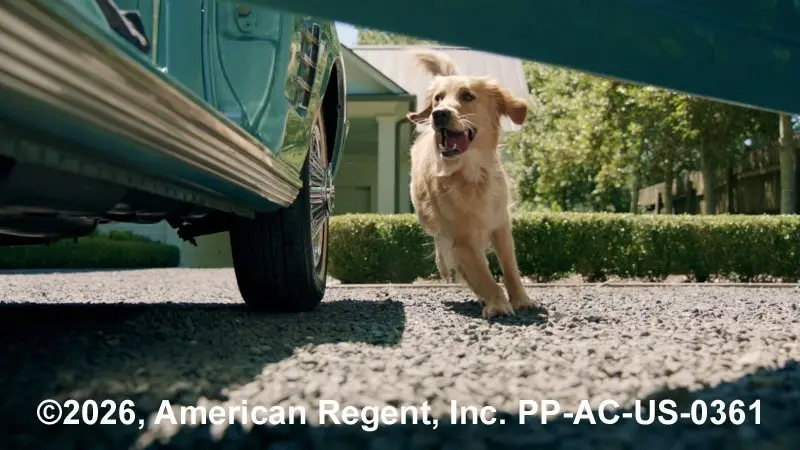
Despite these alarming statistics, veterinary practitioners frequently encounter a profound disconnect between disease progression and clinical intervention. Dogs are master compensators, evolutionary wired to mask discomfort and vulnerability until structural joint damage has reached an advanced, often irreversible stage. Consequently, pet owners often delay veterinary consultation, mistakenly attributing subtle behavioral shifts—such as a reluctance to climb stairs, minor hesitations before jumping into a vehicle, or decreased enthusiasm for long walks—to normal "slowing down" associated with seniority.
This investigative report explores the critical necessity of identifying early indicators of canine osteoarthritis and outlines proactive methodologies for educating clients on the foundational importance of maintaining lifelong joint health. By shifting the paradigm from reactive pain management to preventative joint preservation, veterinary teams can substantially mitigate patient suffering, extend functional lifespans, and fundamentally elevate the standard of canine geriatric care.
Detailed Chronology: The Pathogenesis and Progression of Canine OA
To effectively communicate the urgency of early intervention to clients, veterinary professionals must first understand—and be able to articulate—the exact chronological progression of osteoarthritis within the canine joint. OA is not a singular event; it is a complex, multi-factorial cascade that unfolds over months or years.
Phase 1: The Pre-Clinical and Initiation Stage
The genesis of canine osteoarthritis rarely begins with spontaneous cartilage failure. Instead, it is typically incited by underlying biomechanical instabilities or acute microtrauma. Common primary instigators include developmental orthopedic diseases such as hip and elbow dysplasia, patellar luxation, or acute soft-tissue injuries such as cranial cruciate ligament (CCL) ruptures.
At this microscopic level, abnormal biomechanical forces place excessive, localized stress upon the articular cartilage. Chondrocytes (the specialized cells responsible for maintaining the extracellular matrix of cartilage) respond to this abnormal mechanical loading by releasing pro-inflammatory cytokines, notably Interleukin-1 beta (IL-1β) and Tumor Necrosis Factor-alpha (TNF-α). Concurrently, these cells upregulate matrix metalloproteinases (MMPs), enzymes that begin to systematically degrade the structural collagen and proteoglycans that give cartilage its resilience and shock-absorbing properties. Crucially, during this phase, the patient is often entirely asymptomatic, and standard baseline radiographs may appear completely normal.
Phase 2: Early Structural Compromise and Synovitis
As the enzymatic degradation of cartilage outpaces the tissue’s capacity for repair, the smooth, glistening articular surface becomes fissured, softened, and fibrillated. Microscopic fragments of cartilage break off and float freely within the joint cavity (synovial fluid), provoking an immune response from the synovial membrane lining the joint capsule. This results in synovitis—a chronic, low-grade inflammation of the joint lining.
During this second phase, the synovial membrane hypersecreates fluid, leading to joint effusion (swelling), and further releases inflammatory mediators that heighten the sensitivity of local nociceptors (pain receptors). While dogs may still not manifest overt, classic lameness at this stage, astute observers will note subtle alterations in gait symmetry, mild stiffness after prolonged rest (so-called "gelling" phenomenon), or a marginal reduction in daily activity duration.
Phase 3: Advanced Remodeling and Chronic Pain
If left unchecked, the disease advances into full-scale structural degeneration. The subchondral bone underlying the eroded cartilage undergoes sclerosis (hardening and thickening) due to abnormal mechanical stress. Simultaneously, the body attempts to stabilize the destabilized joint through the formation of osteophytes—bony outgrowths (spurs) that develop along the joint margins.
At this juncture, the clinical picture changes dramatically. The dog experiences persistent, chronic pain that encompasses both nociceptive pain (from tissue damage and inflammation) and neuropathic pain (resulting from sustained signaling along damaged nerve pathways). Muscle atrophy sets in rapidly due to disuse of the affected limb, placing even greater compensatory strain on adjacent joints and the axial skeleton. Without comprehensive multimodal therapy, the patient’s quality of life deteriorates significantly, marked by chronic pain, behavioral modifications, and profound mobility impairment.
Supporting Context & Metrics: The Epidemiological and Economic Impact
The urgency of addressing canine osteoarthritis extends beyond individual patient welfare; it represents a major challenge for modern veterinary medicine in terms of economics, client compliance, and holistic animal husbandry.
Prevalence and Demographics
Epidemiological studies consistently demonstrate that canine OA is ubiquitous across breeds, though genetic predispositions play a major role in its manifestation. Large and giant breeds—such as Labrador Retrievers, German Shepherds, Golden Retrievers, and Rottweilers—are disproportionately affected by developmental conditions like hip and elbow dysplasia, which accelerate the onset of secondary OA. However, small-breed dogs are equally vulnerable; conditions such as medial patellar luxation and Legg-Calvé-Perthes disease frequently precipitate severe joint degeneration in breeds like Toy Poodles, Pomeranians, and Yorkshire Terriers. Furthermore, age is an independent risk factor: conservative estimates indicate that over 90% of dogs older than age 12 exhibit radiographic evidence of osteoarthritis in at least one joint.
The Obesity Epidemic: A Direct Catalyst
No discussion of canine OA epidemiology is complete without examining the compounding crisis of canine obesity. In modern veterinary practice, overweight and obese dogs represent an escalating demographic, with studies estimating that between 50% and 60% of pet dogs in developed nations carry excess adipose tissue.
Obesity exerts a dual negative impact on canine joint health:
- Biomechanical Strain: Excess body weight exponentially increases the mechanical load borne by weight-bearing joints (stifles, hips, elbows, and carpi), accelerating the mechanical breakdown of articular cartilage.
- Systemic Inflammation: Adipose tissue is not an inert energy storage depot; it is an active endocrine organ that secretes pro-inflammatory cytokines known as adipokines (including leptin, resistin, and TNF-α). These circulating chemical messengers sustain systemic, low-grade inflammation, actively fueling the degradation of joint structures even in non-weight-bearing joints.
Client Misconceptions and Compliance Gaps
Veterinary behavioral surveys reveal a troubling disconnect in client perception regarding canine aging. A vast majority of pet owners assume that slowing down, stiffness upon rising, and a reluctance to exercise are inevitable, untreatable components of growing old. Consequently, they delay seeking professional veterinary evaluation until the animal is in moderate to severe discomfort—a point at which structural damage is advanced and therapeutic options are more limited and costly.
Moreover, compliance with long-term multimodal management plans remains a persistent hurdle. Chronic disease management requires sustained commitment from the pet owner regarding weight control, precise administration of nutraceuticals or pharmaceuticals, controlled exercise regimens, and environmental modifications. Bridging this educational gap is arguably the most critical responsibility facing the contemporary veterinary healthcare team.
Official Statements and Veterinary Consensus
Leading veterinary orthopedic organizations, pain management societies, and academic institutions have increasingly aligned their guidelines to emphasize a paradigm shift in veterinary medicine: moving from treating advanced pain to preserving joint health.
Dr. Elizabeth Martinez, a prominent veterinary orthopedic surgeon and researcher, emphasizes the cognitive shift required in clinical practice:
"For decades, our profession treated canine osteoarthritis as an endpoint—a diagnosis we arrived at when the joint was already structurally bankrupt and the patient was suffering from chronic, maladaptive pain. We must recognize OA as a dynamic, lifelong condition that begins years before the first overt limp. By training our teams to look for micro-indicators—subtle shifts in weight distribution, minor reductions in stride length, and microscopic biochemical changes—we can intercept this disease in its infancy. Maintaining joint health is not merely about preserving mobility; it is about safeguarding the neurological and systemic well-being of the aging canine patient."
Similarly, position statements from international veterinary pain management panels stress that pain in OA is multifaceted and requires a cooperative, multimodal approach. The consensus highlights that relying solely on non-steroidal anti-inflammatory drugs (NSAIDs) in the later stages of the disease is insufficient. Modern veterinary care demands an integrated framework encompassing:
- Nutritional Optimization: Prescription diets specifically formulated with targeted omega-3 fatty acids (specifically EPA and DHA), glucosamine, chondroitin sulfate, and antioxidants to modulate inflammatory pathways.
- Controlled Physical Rehabilitation: Tailored therapeutic exercise programs, hydrotherapy, laser therapy, and passive range-of-motion exercises directed by certified canine rehabilitation practitioners.
- Proactive Client Education: Empowering pet owners to become active participants in monitoring and managing their dog’s daily comfort and mobility through structured home assessment tools.
Future Outlook: Innovations in Joint Preservation and Client Engagement
As veterinary medicine continues to evolve, the future of canine osteoarthritis management points toward advanced diagnostics, regenerative medicine, and sophisticated digital health monitoring systems designed to catch joint degradation at its earliest, most manageable phases.
Early Diagnostics and Biomarkers
The diagnostic horizon is expanding beyond traditional radiography, which inherently visualizes bone rather than soft-tissue cartilage health. Emerging diagnostic modalities include advanced biomarkers in synovial fluid and serum—such as C-reactive protein (CRP), cartilage oligomeric matrix protein (COMP), and fragments of type II collagen—that can signal active cartilage breakdown long before structural changes manifest on an X-ray. Furthermore, high-resolution musculoskeletal ultrasound and early utilization of advanced cross-sectional imaging (MRI and CT) are enabling practitioners to visualize synovitis and early meniscal or cartilaginous lesions with unprecedented precision.
Regenerative Medicine and Biologics
The therapeutic landscape is similarly undergoing a revolution. Regenerative therapies, including Platelet-Rich Plasma (PRP) and stem cell therapy (such as adipose-derived mesenchymal stem cells), are shifting from experimental modalities to mainstream options for early-to-moderate OA. These biological treatments leverage the body’s intrinsic healing capacities to modulate intra-articular inflammation, promote tissue repair, and slow the progressive destruction of the joint matrix. Monoclonal antibody therapies, specifically targeting nerve growth factor (NGF), have also emerged as highly effective, highly targeted tools for controlling OA pain with minimal systemic side effects.
The Role of Digital Health and Wearables
In the home environment, the integration of pet wearables—smart collars and activity monitors equipped with accelerometers and machine-learning algorithms—is transforming how veterinarians track patient progress. These devices measure activity counts, rest patterns, and gait symmetry 24/7, providing objective data that strips away subjective owner bias. If a dog’s activity metrics drop by a statistically significant margin over a two-week period, the system can alert the veterinary clinic, prompting an early re-check examination before clinical pain escalates.
Educational Action Plan for Veterinary Practices
To capitalize on these technological and therapeutic advancements, veterinary practices must institutionalize structured client education protocols:
- Senior Wellness Consultations: Implement mandatory biannual wellness exams specifically tailored for adult and senior dogs, featuring formal orthopedic and mobility scoring assessments.
- Interactive Client Portals: Utilize digital handouts, video demonstrations of how to spot subtle OA signs at home, and body condition score (BCS) charts during routine check-ins.
- Transparent Communication: Reframe conversations around aging by explicitly teaching clients that slowing down is a symptom of discomfort, not an inevitable tax of time.
Conclusion
Canine osteoarthritis is a formidable challenge, but it is one that veterinary medicine is increasingly well-equipped to manage, intercept, and mitigate. By recognizing the subtle, early-stage indicators of joint compromise and actively educating clients on the foundational importance of lifelong joint health, veterinary professionals can redefine the trajectory of this disease. Moving forward, a proactive, multimodal philosophy centered on early detection, nutritional support, weight optimization, and cutting-edge therapeutics will ensure that canine patients enjoy years of active, pain-free companionship.