When a service dog expertly navigates a bustling terminal, smoothly guides a handler through a crowded transit hub, or provides a steadfast physical anchor during an acute medical crisis, observers witness the culmination of years of careful breeding, behavioral science, and intensive training. Yet, this visible partnership represents only the final chapter of a complex developmental journey. Long before a dog ever dons a working harness, a sophisticated, highly selective screening process is already underway.
Contrary to popular belief, the service dog selection process is not about identifying the "best" dog in an absolute sense. Rather, it is a nuanced, data-driven endeavor to match a specific canine personality profile with the demanding realities of public access work. Organizations such as Dogs Inc utilize multi-tiered evaluation frameworks to assess candidates long before they reach maturity.
At its core, successful service work demands a rare genetic and psychological convergence: confidence, emotional stability, high adaptability, and deep resilience. Because not every dog is biologically or temperamentally wired for the relentless pressures of public access, understanding the science of selection is crucial. This comprehensive investigation explores the multifaceted criteria, behavioral evaluations, puppy-raising dynamics, and specialized training paradigms that transform an ordinary puppy into a life-changing canine partner.
Detailed Chronology: From Puppyhood to Public Access
The journey of a service dog candidate is a carefully mapped developmental timeline, spanning from early neonatal phases to fully realized public partnerships.
Phase 1: Early Neonatal and Sensory Introduction (0 to 8 Weeks)
The foundation of a service dog begins before formal training even has a name. In the earliest weeks of life, professional breeding programs focus on early neurological stimulation and gentle sensory habituation. Pups are exposed to novel textures, mild handling exercises, and varied auditory stimuli. While formal temperament testing cannot accurately predict adult working ability at this fragile stage, observing litter dynamics provides breeders with initial baseline indicators of curiosity versus extreme withdrawal.
Phase 2: The Puppy-Raiser Partnership (8 Weeks to 12 Months)
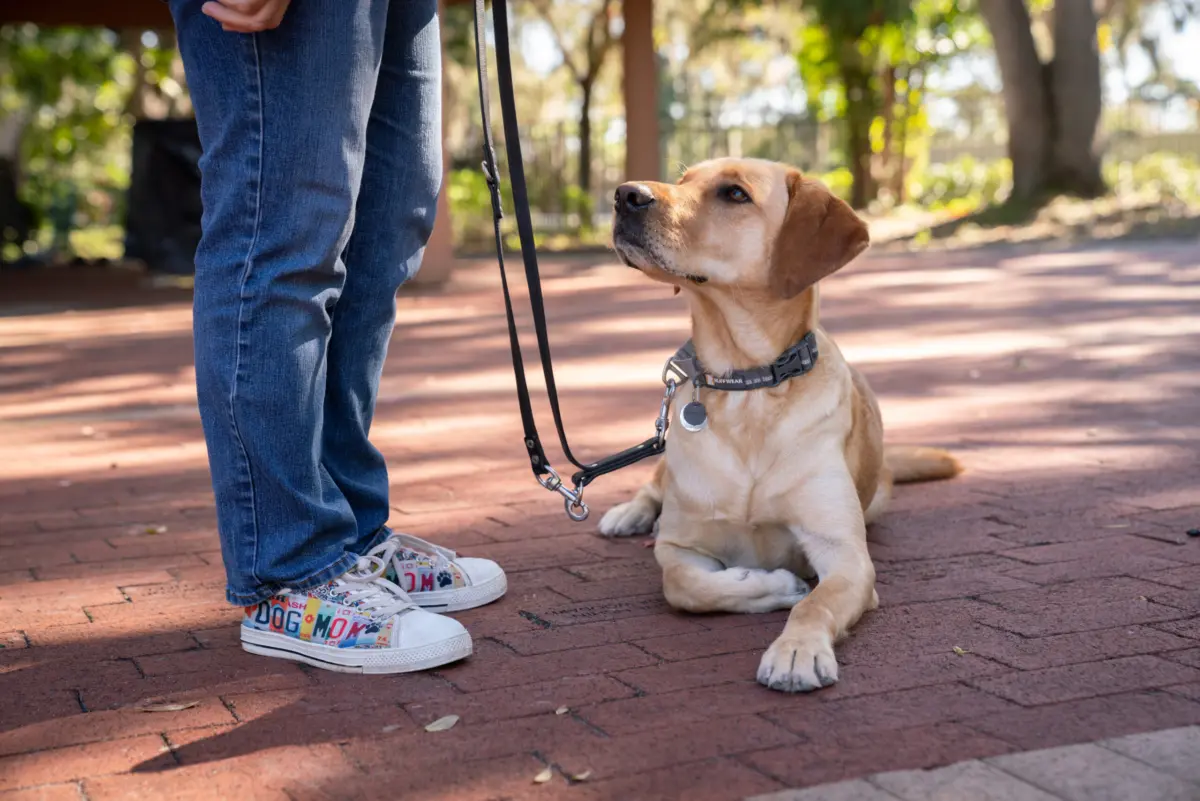
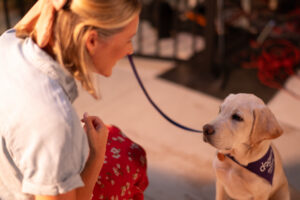
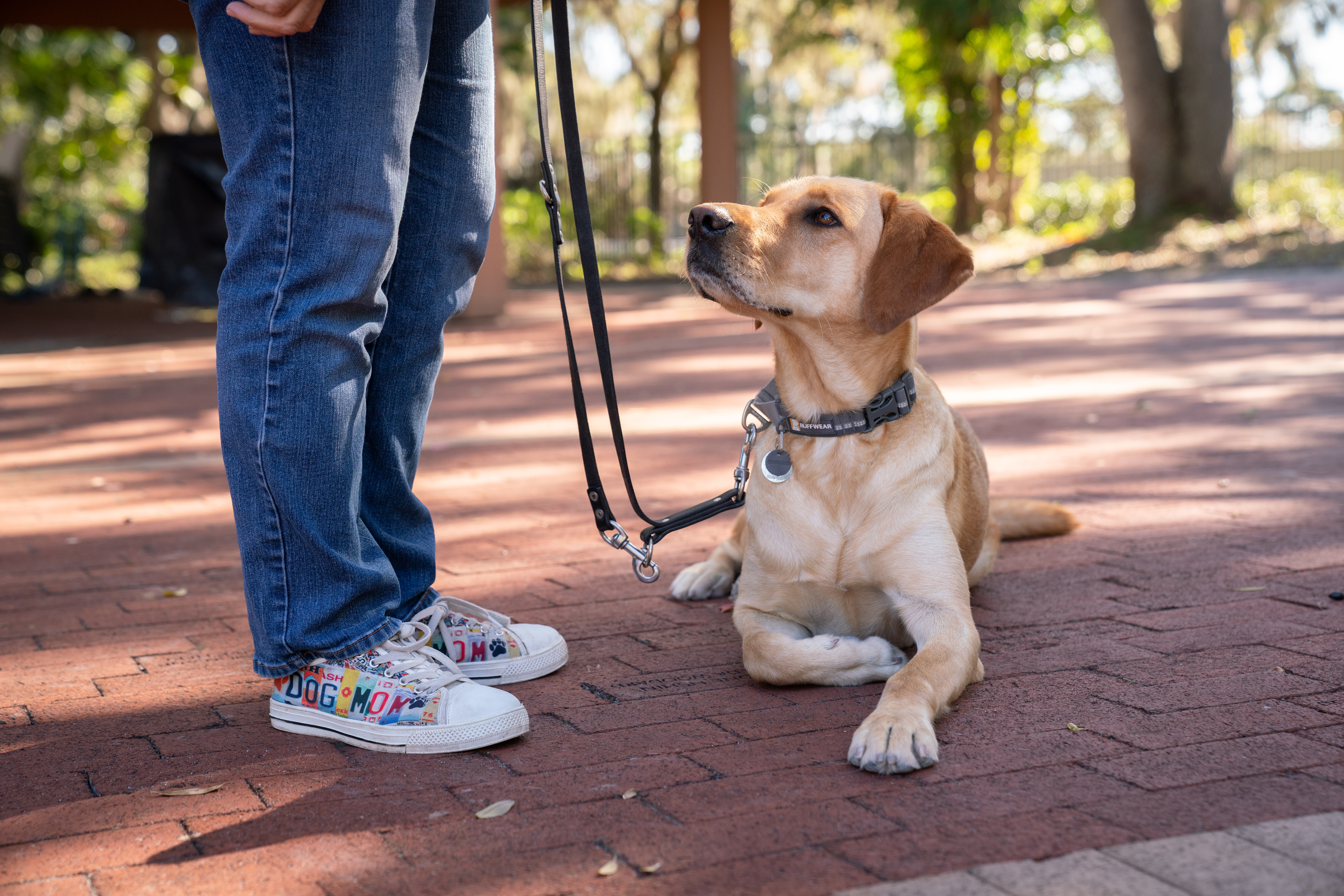
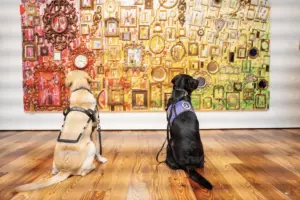
At roughly two months of age, selected puppies transition from breeding facilities into the homes of volunteer puppy raisers. This period represents the crucible of early socialization. Raisers introduce the young dogs to a sprawling array of real-world environments: grocery store aisles, neighborhood parks, public transit, and community gatherings.
During this phase, raisers work in tandem with regional instructors, documenting how the puppy processes novel sights, sounds, and human interactions. These everyday moments—such as reacting to a dropped shopping cart or walking past a barking dog—offer invaluable qualitative data. Crucially, this period emphasizes basic obedience, household manners, and environmental exposure without the crushing pressure of advanced task training.
Phase 3: Intermediate Assessments and Formal Testing (12 to 18 Months)
As the adolescent dog approaches physical and mental maturity, the evaluation process shifts from informal observation to rigorous, standardized testing. Behavioral stability is notoriously volatile during early adolescence; therefore, programs rely on structured protocols to measure traits consistently.
Around 18 months of age, canine temperament crystallizes significantly. Evaluators utilize validated behavioral assessment frameworks, such as the CARAT (Clothier Animal Response Assessment Tool), to categorize traits objectively. This phase acts as a vital filtering mechanism, systematically ruling out candidates whose energy levels, anxiety thresholds, or prey drives disqualify them from public access safety standards.
Phase 4: Advanced Task Training and Custom Matching (18 to 24+ Months)
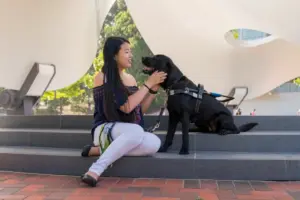
Once a dog successfully passes intermediate behavioral benchmarks, formal, task-specific training begins. Depending on the intended career path—whether as a guide dog, hearing dog, mobility assistance dog, psychiatric service dog, autism service dog, diabetic alert dog, or allergy detection dog—the curriculum shifts toward specialized motor and cognitive skills.
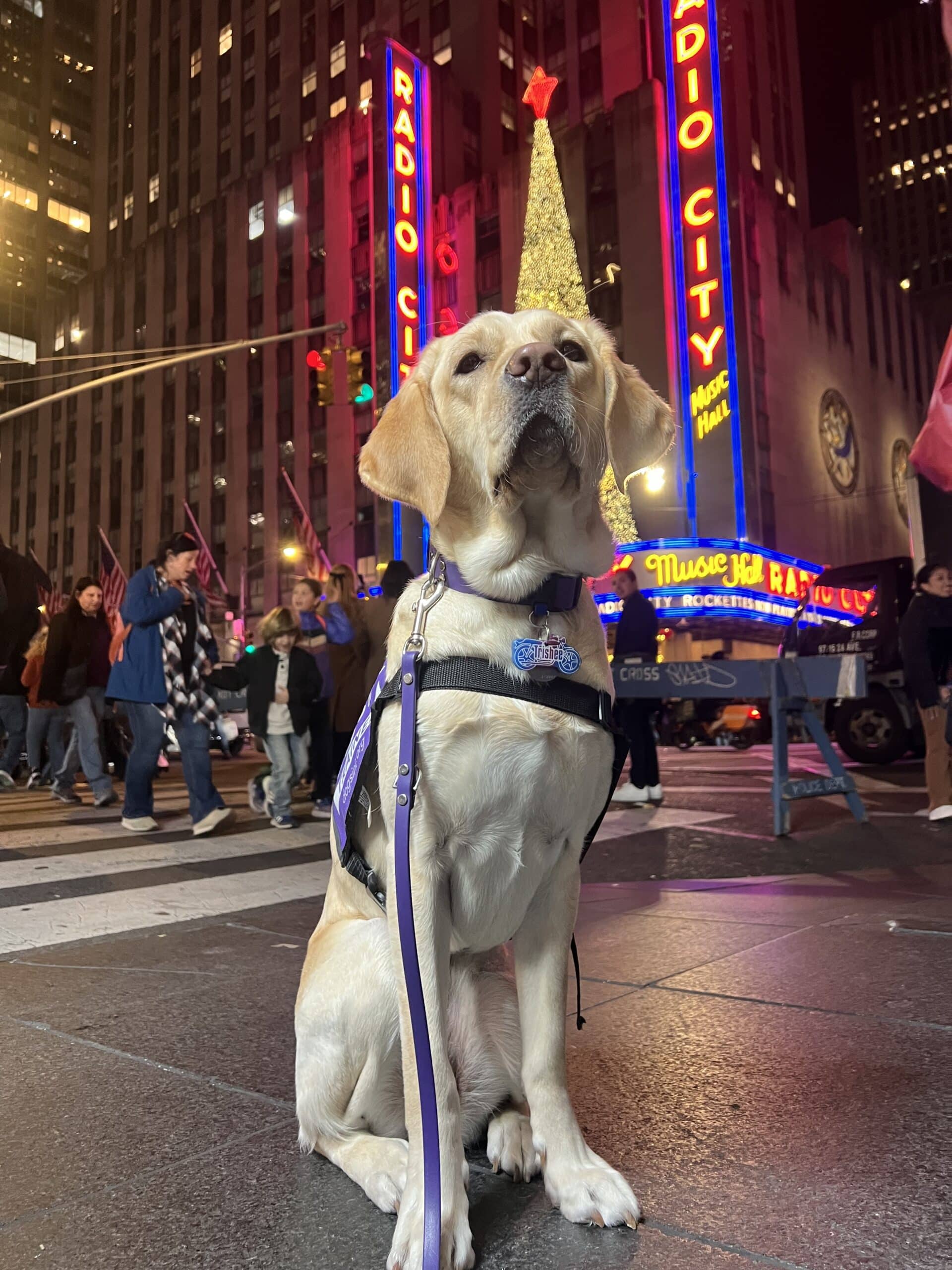
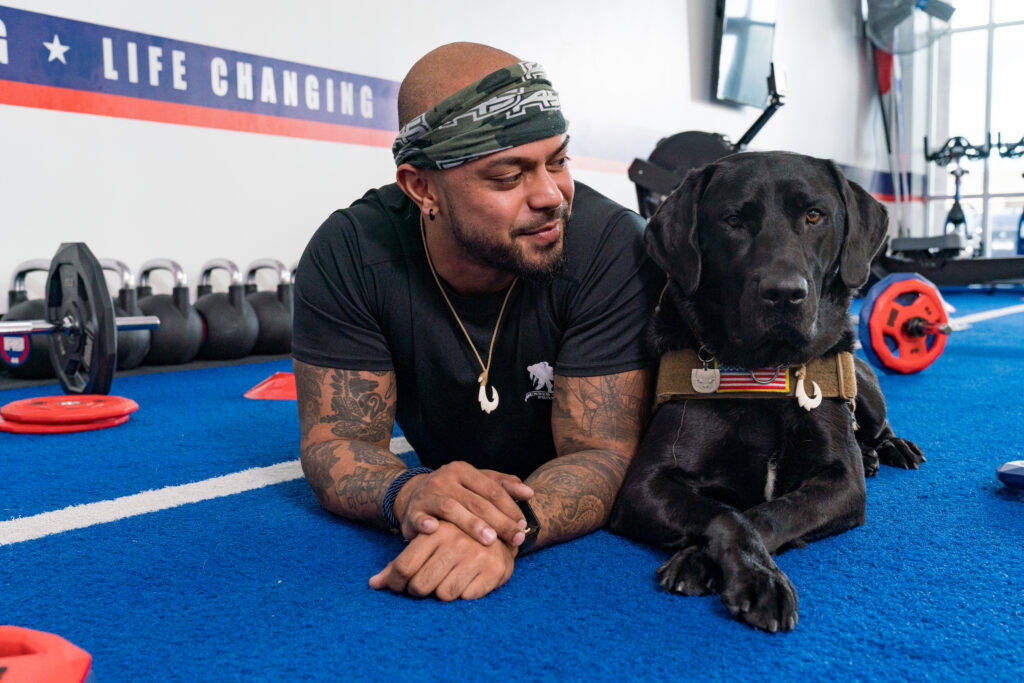
During this intensive phase, dogs learn complex behaviors, such as intelligent disobedience (e.g., a guide dog refusing an unsafe command issued by its handler), barrier placement in crowded environments, or precise medical alert responses. The timeline culminates in a graduation pairing, where the fully trained dog is matched with its permanent handler, initiating a lifetime of mutual independence and trust.
Supporting Context & Metrics: The Science of Temperament and Selection
The efficacy of a service dog program hinges on measurable behavioral indicators. Evaluating a candidate requires looking past superficial obedience to examine underlying emotional regulation.
The Pillars of Service Temperament
Evaluators look for a delicate, highly specific balance of traits:
Emotional Resilience and Recovery Speed: When faced with an unexpected stressor—such as a sudden loud noise, a dropped object, or a crowded elevator—a service dog cannot panic, freeze, or display defensive aggression. The metric of success is not a lack of a startle response, but rather recovery speed: how quickly the dog acknowledges the stimulus, processes it, and returns to a neutral, focused working state.
Low Prey Drive and Cooperative Focus: Favored breeds, predominantly Labrador Retrievers and Golden Retrievers, possess a naturally low prey drive and an inherent eagerness to work alongside humans. High-energy herding breeds, such as Border Collies or Australian Shepherds, while exceptionally intelligent and trainable, frequently possess a high drive to control movement. This can manifest as an inability to settle quietly for extended periods during public access work, making them statistically less suited for standard service roles.
Sociability Without Over-Arousal: A service dog must remain approachable and friendly in public spaces without seeking continuous attention from strangers. Conversely, excessive fear or territorial reactivity instantly disqualifies a candidate, as public safety must remain uncompromised.
Economic and Practical Efficiency
Implementing structured temperament testing and relying on experienced puppy raisers serves a dual purpose: safeguarding animal welfare and maximizing programmatic efficiency. For organizations like Dogs Inc, identifying unsuitable candidates early in the developmental pipeline prevents the allocation of significant financial resources, specialized labor, and time into dogs that would ultimately experience chronic stress in a working environment.
Official Perspectives: The Philosophy of Canine Welfare
The operational philosophy of premier service dog organizations is anchored in a profound respect for canine individuality and welfare. Industry leaders emphasize that the selection process is fundamentally humane, prioritizing the psychological health of the animal above all else.
"The service dog selection process isn’t about finding the ‘best’ dog. It’s about identifying dogs whose natural temperament and personality make them well-suited for the important work ahead."
Furthermore, programs maintain an ethical commitment to dogs that do not make the final cut for public service work. Program directors stress that a career change is not a failure.
"When a dog is not selected to continue in a service dog program, it does not mean the dog has failed. It simply means another path may be a better fit. Many dogs go on to live happy, successful lives in loving homes or alternative careers."
By accepting that certain dogs find busy public environments stressful or prefer a more physically active lifestyle, organizations protect the psychological well-being of the animal. This human-centric and animal-centric approach ensures that no dog is forced into a role that causes distress, thereby preserving the integrity of the working partnership. Handlers, too, are protected by this rigorous filtering, ensuring they can place absolute trust in a partner whose stability has been verified over years of observation.
Future Outlook: Evolution in Evaluation and Training
As the fields of animal behavior, veterinary medicine, and assistive technology continue to advance, the future of service dog development points toward even greater precision, transparency, and public education.
Technological and Methodological Advancements
Future evaluation protocols are increasingly integrating data analytics to track behavioral trends across generations of breeding lines. By mapping genetic markers alongside longitudinal behavioral outcomes captured through tools like the CARAT system, breeding programs can refine their selection matrices with unprecedented accuracy. This reduces attrition rates during the advanced training phase and optimizes the match rate between handlers and canines.
Expanding Definitions of Service Work
The scope of tasks performed by service dogs is continuously expanding to meet complex medical and psychological needs. Beyond traditional guide and mobility support, emerging specialties in psychiatric alert, neurological disorder mitigation, and allergen detection require even more nuanced psychological profiles. As these roles grow, the demand for nuanced, multi-stage temperament testing will only intensify.
Educating the Public
A critical frontier for organizations like Dogs Inc is public education regarding the distinction between true service dogs, therapy dogs, and emotional support animals. By demystifying the rigorous developmental pipeline—highlighting everything from the quiet, everyday observations of puppy raisers to the complex neural mechanics of emotional stability—society gains a deeper appreciation for the partners that enable thousands of individuals to navigate the world with dignity, safety, and unwavering independence.